



Industrial Valves
Discover Fleyenda’s complete range of high-performance valves, actuators, and control accessories. Designed to meet the demands of over 40 industries, our products combine precision, durability, and automation for efficient fluid control.
Our Product Range
Intelligent Industrial Valves for Every Industry
From electric and pneumatic actuators to smart control valves and essential accessories, Fleyenda provides versatile solutions to match your system requirements — ensuring reliability across water, chemical, energy, and industrial sectors.
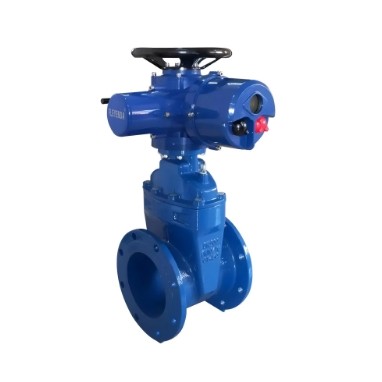
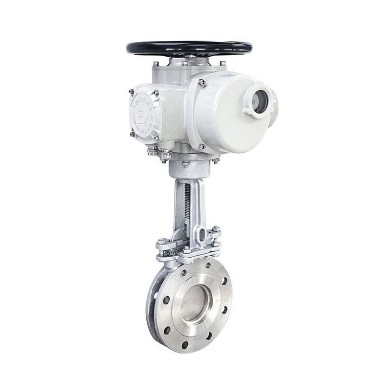
Electric Valve
Our electric actuated valves are designed for automated flow control in industrial, commercial, and municipal applications. The range includes electric actuated ball valves, butterfly valves, gate valves, globe valves, plug valves, control valves, and other motorized valve solutions.

Electric Ball Valve
Offers precise flow control for on/off operations, ideal for automated systems.

Electric Butterfly Valve
Lightweight solution for large volume flow with compact design.


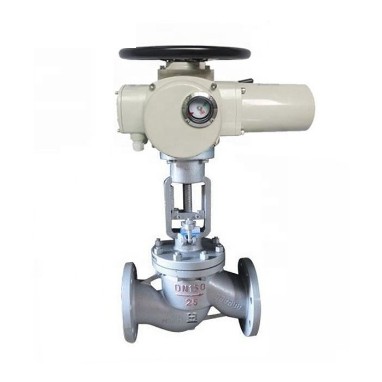
Electric Globe Valve
Provides accurate throttling in pipelines with flow regulation needs.
What Is an Electric Valve?
An electric valve, also called an electric actuated valve or motorized valve, is an automated valve operated by an electric actuator. Instead of being opened or closed manually, the valve is driven by an electric motor to control the flow of water, air, steam, oil, gas, chemicals, or slurry in industrial pipelines.
Electric valves are widely used for remote on/off control, flow regulation, and automated pipeline systems. They are commonly integrated with PLC, DCS, SCADA, or other control systems in water treatment, chemical processing, power plants, oil & gas, HVAC, and general industrial applications.
How Does an Electric Valve Work?
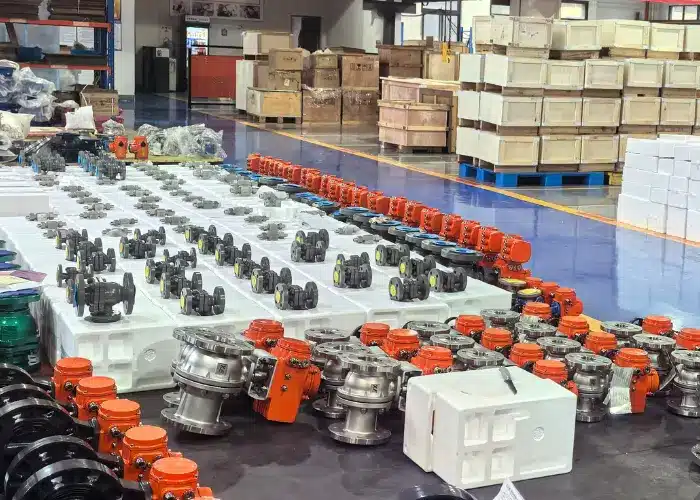
An electric valve uses an electric actuator to convert electrical energy into mechanical motion. The motor drives gears or a transmission mechanism, which turns or moves the valve stem to open, close, or modulate the valve position.
- Electric motor provides the driving force
- Gearbox increases torque for valve operation
- Limit switches control open and closed positions
- Control signals enable on/off or modulating operation
Electric Valve ≠ Solenoid Valve
Many buyers use the term “electric valve” when comparing electric actuated valves and solenoid valves. Although both are electrically controlled, they are designed for different applications.
Electric Actuated Valve
Better for large valve sizes, industrial pipelines, high torque requirements, remote control, and precise flow regulation.
Solenoid Valve
Better for small pipe sizes, fast switching, light-duty water, air, gas, and simple automatic control applications.
Frequently Asked Questions About Electric Valves
Find quick answers to common questions about electric valves, electric actuated valves, motorized valves, control signals, applications, and selection tips for industrial flow control.
What is an electric valve?
An electric valve is an automated valve operated by an electric actuator. It uses an electric motor to open, close, or regulate the valve position, allowing remote and automatic control of water, air, steam, oil, gas, chemicals, or slurry in industrial pipelines.
How does an electric valve work?
An electric valve works by converting electrical energy into mechanical movement. The actuator motor drives gears or a transmission mechanism, which moves the valve stem or disc to open, close, or adjust the flow. Limit switches and control signals help position the valve accurately.
What is the difference between an electric valve and a solenoid valve?
An electric actuated valve is better for larger pipe sizes, higher torque requirements, industrial pipelines, and applications that need remote control or modulating flow regulation. A solenoid valve is usually better for small pipe sizes, quick switching, and simple on/off control of air, water, gas, or light-duty fluids.
What types of electric valves are available?
Common electric valve types include electric ball valves, electric butterfly valves, electric gate valves, electric globe valves, electric knife gate valves, and electric control valves. Each type is designed for different flow control needs, pressure conditions, valve sizes, and media.
Where are electric valves commonly used?
Electric valves are widely used in water treatment, wastewater systems, chemical processing, power plants, oil and gas pipelines, HVAC systems, food and beverage production, marine applications, mining, and general industrial automation.
Can electric valves support modulating control?
Yes. Electric valves can be supplied for simple on/off control or modulating control. Modulating electric valves can receive control signals such as 4-20mA or 0-10V to adjust the valve opening position and regulate flow more precisely.
What voltage options are available for electric valves?
Electric valves can be configured with different voltage options depending on the control system and site requirements. Common options include 12V DC, 24V DC, 110V AC, 220V AC, and 380V AC. Custom voltage requirements can also be discussed for specific projects.
How do I choose the right electric valve?
To choose the right electric valve, you should consider the valve type, pipe size, pressure, temperature, flow medium, control mode, voltage, connection standard, sealing material, and installation environment. For harsh conditions, waterproof, corrosion-resistant, or explosion-proof actuator options may be required.
Can Fleyenda customize electric valves?
Yes. Fleyenda can provide customized electric valve solutions based on valve size, body material, sealing material, actuator type, voltage, control signal, protection rating, connection type, and working conditions. Customers can provide project details to receive a suitable valve selection and quotation.


